Swifts in the village this morning
Spotted Flycatcher today. Regular by the runaway/garden shed. Otherwise from West Africa.
Video from Rajith.
To spot a Flycatcher, look for their distinct “sallying” behaviour: they dart out rapidly into the air to catch flying insects, then immediately return to the exact same perch.
* “Txori ona” is a Basque phrase. The literal meaning of it is “Good bird” and the sense is of a fortunate omen.
Hopefully bringing you as much joy as opening a new box of chocolates, here is a new and, as always, delightful selection of Wildlife vignettes from the Greenstreete cameras…
Some from February and some more recent, including lots of Otters!
Recent footage of an unfortunate badger at Greenstreete…
The very slippery bridge caused this badger to fall off. However, it has just become famous, with many likes and comments, when it was shared on Facebook by Springwatch.
Might be good to provide some grip on the bridge for the animals.
Although looking more closely, it seems the badger has inadvertently stepped back to try to turn around and found only space…
So maybe it was not slippery, just narrow?
Not a post about rain, although there has been a lot of that!
Here are the latest videos from the camera traps of Polecat and Otter (the Welsh for Otter is Dyfrgi, or “Water Dog“.) They are from November last year up until more recently, you can see the date and time recorded on each video if interested.
The Otter on the log was also seen resting there for about 20 minutes. It is not an expected resting spot and had not been seen before.
We have up to 7 cattle every year to graze at Greenstreete. It’s quite a rare sight these days to see a calf sucking – mother and calf are so content.

Here are the latest videos from the camera traps at Greenstreete.
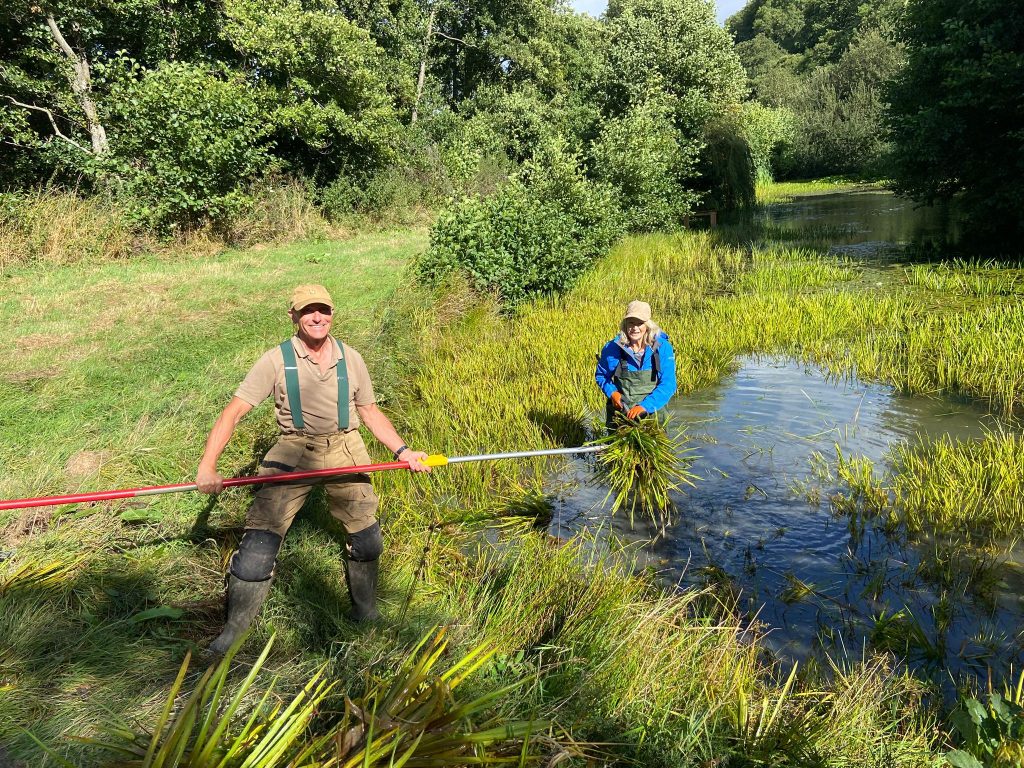
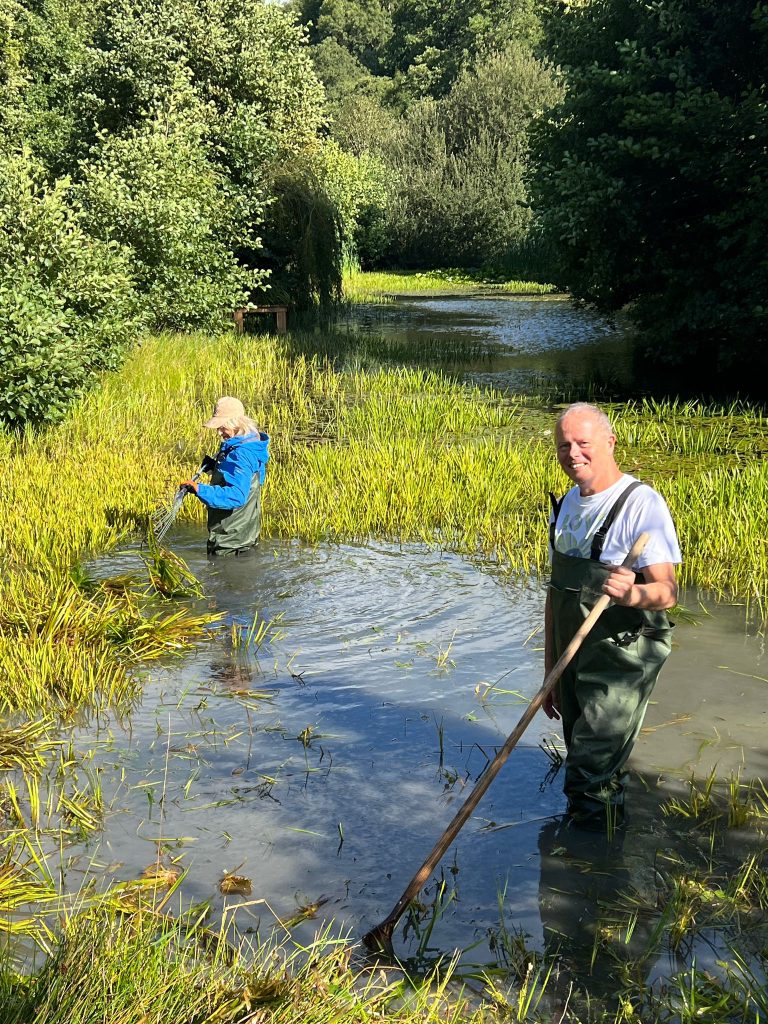
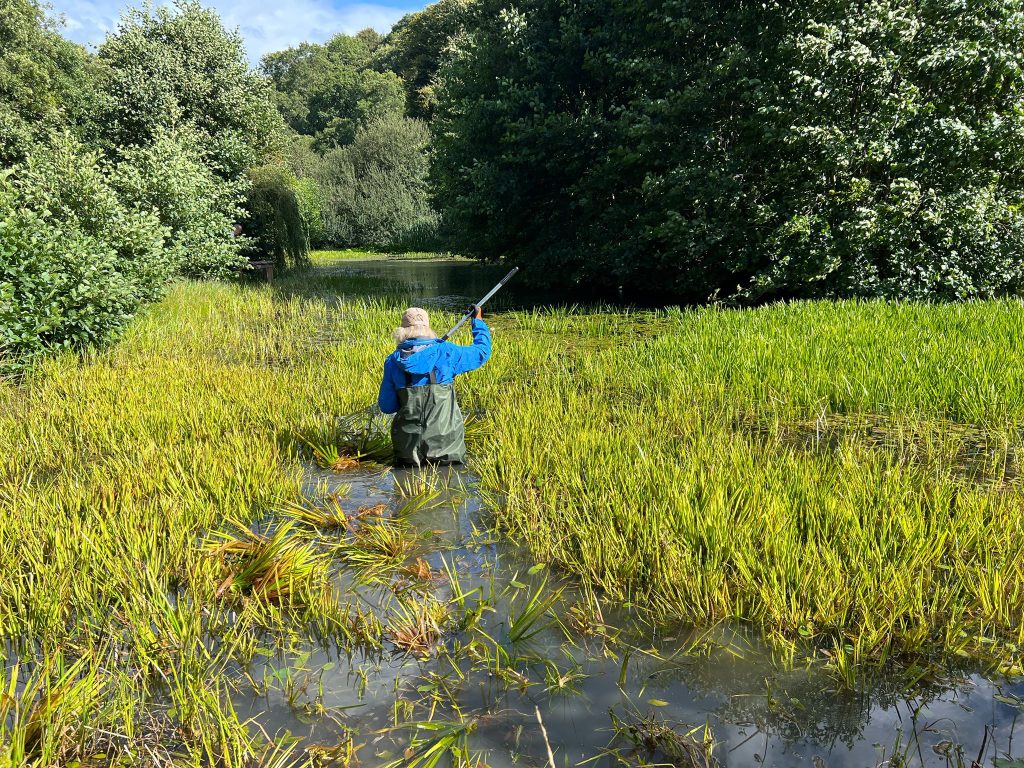
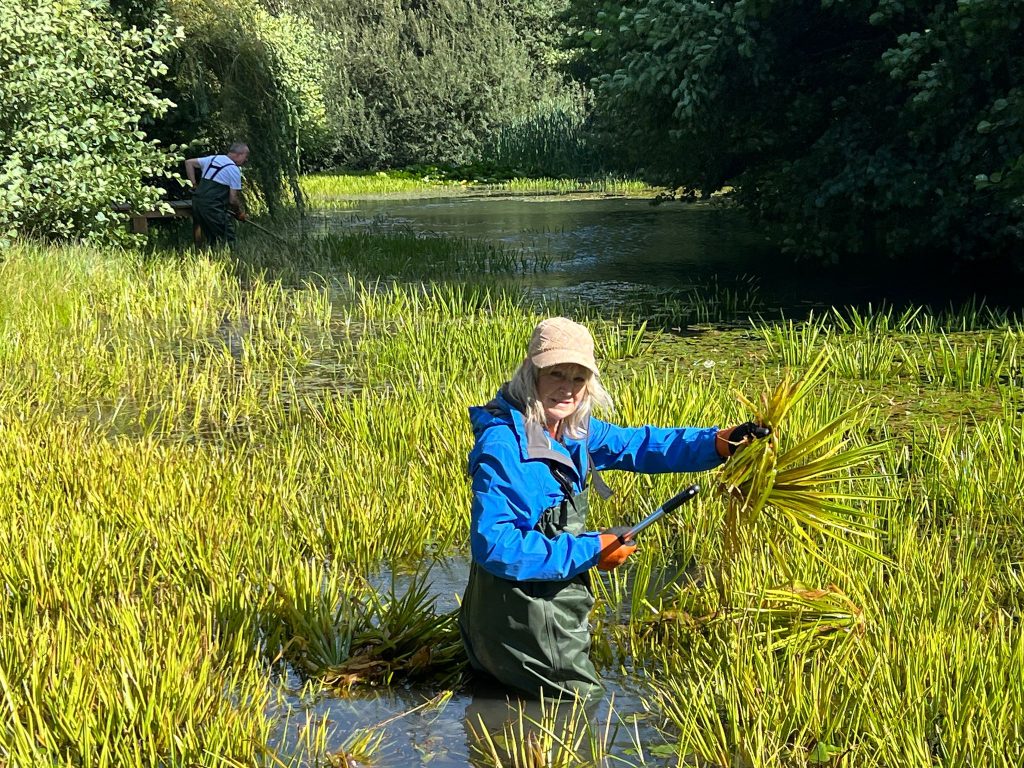
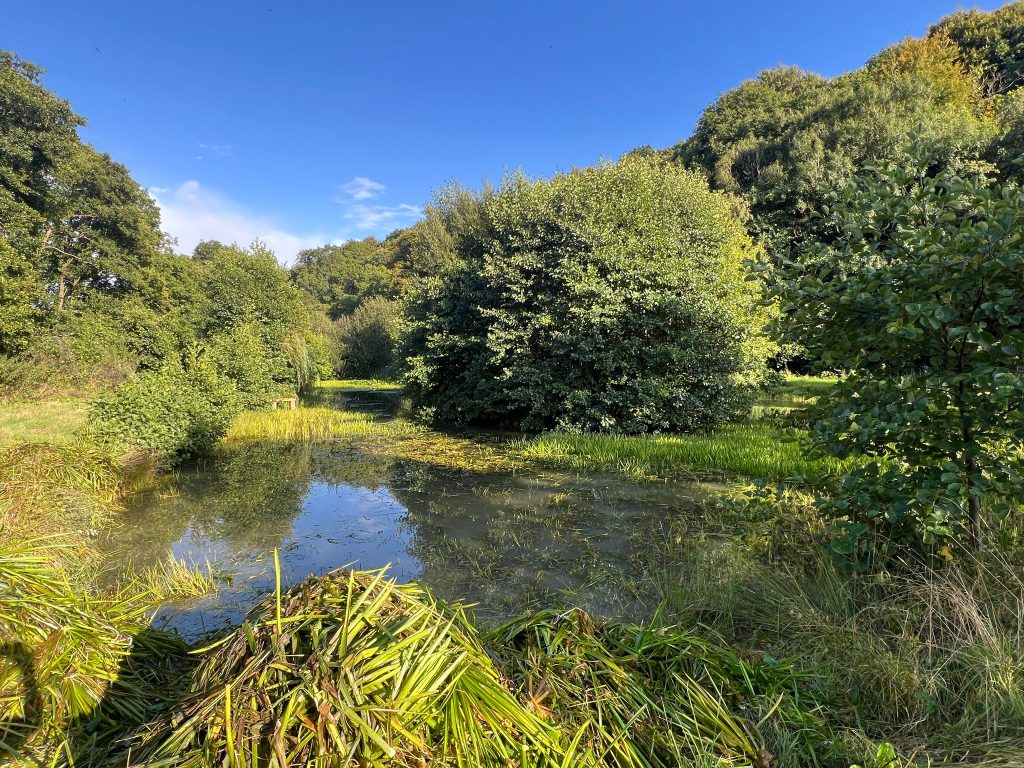
The Wetland Duo, Guy Hart and David Armitage plus David’s partner Lyn, were hard at work recently removing the highly invasive plant, Water Soldier, from the lake at Greenstreete. It has proliferated so much over the summer that they weren’t able to remove all of it but arrangements are in progress for volunteers to continue the work.
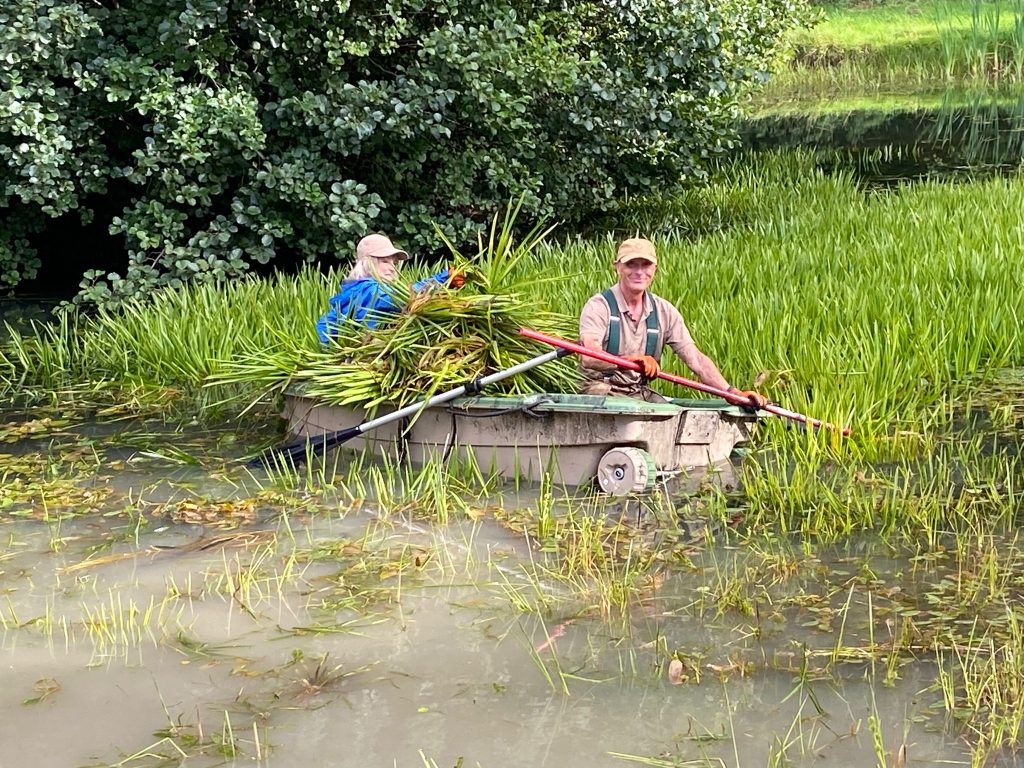
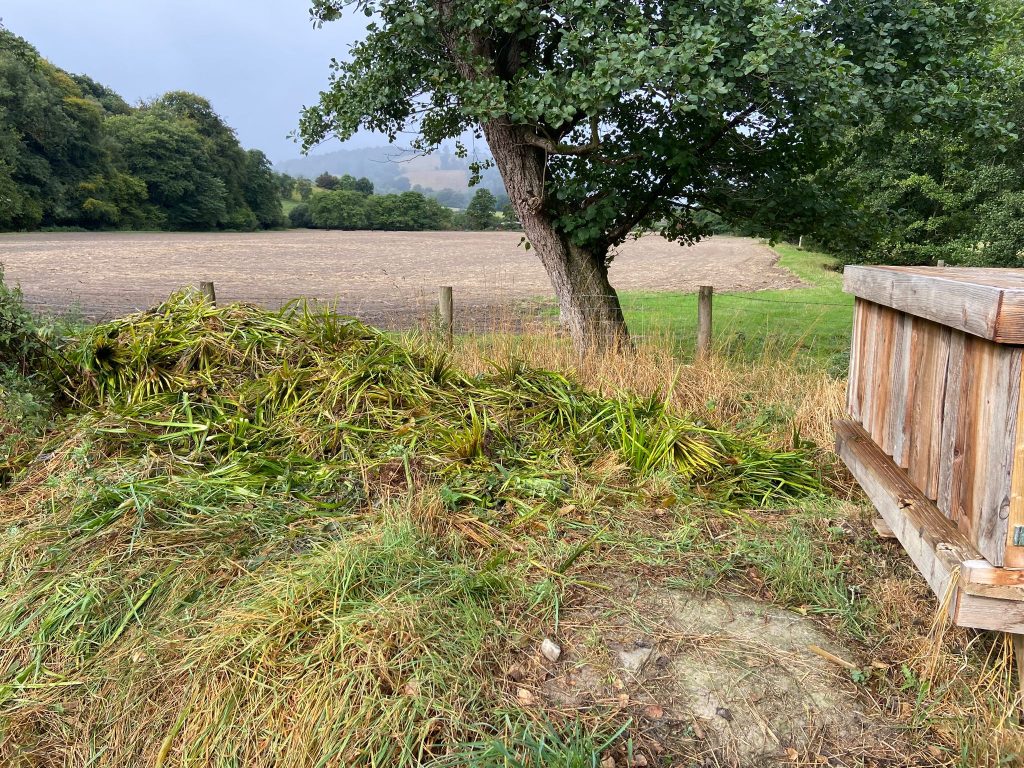
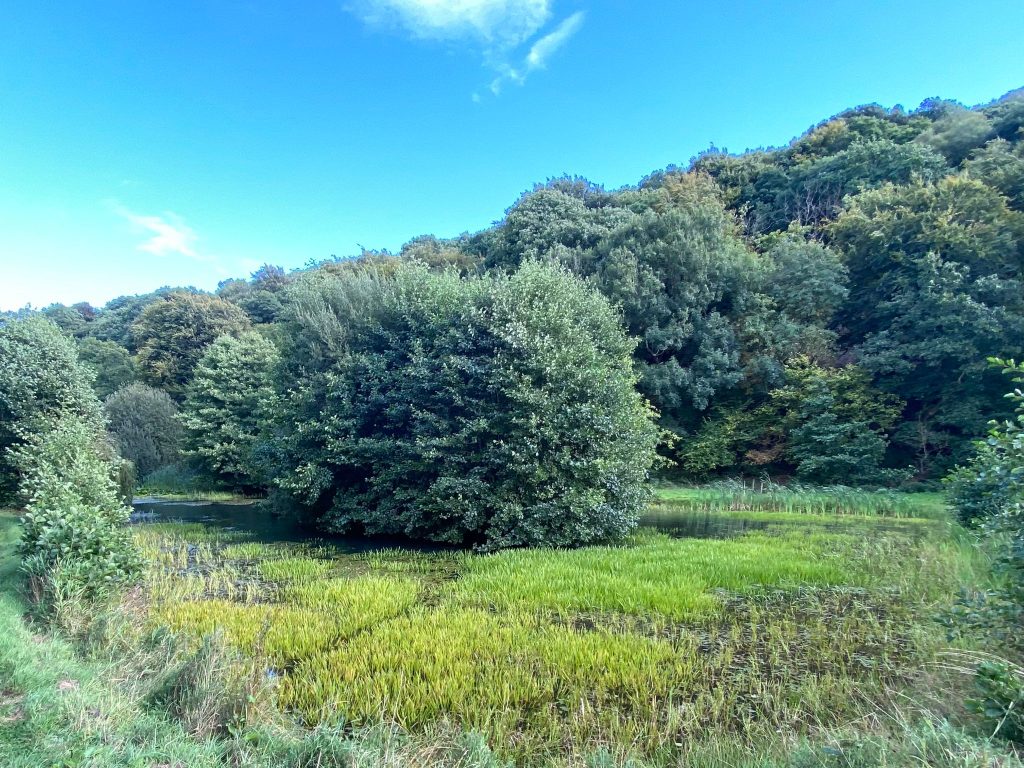
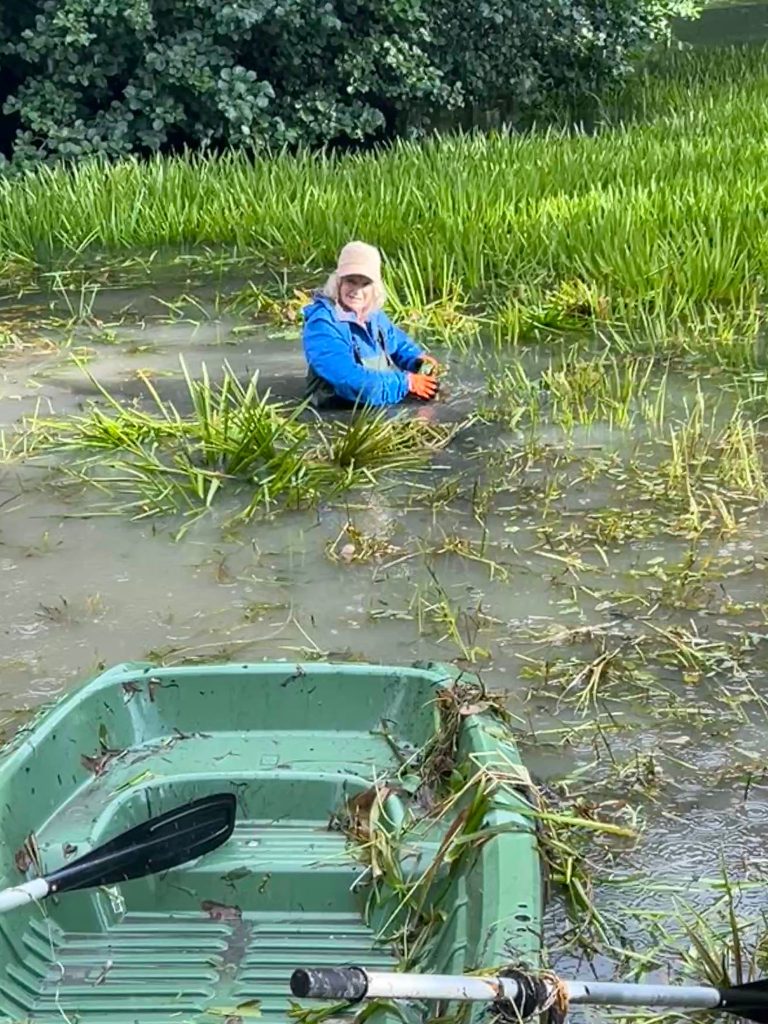
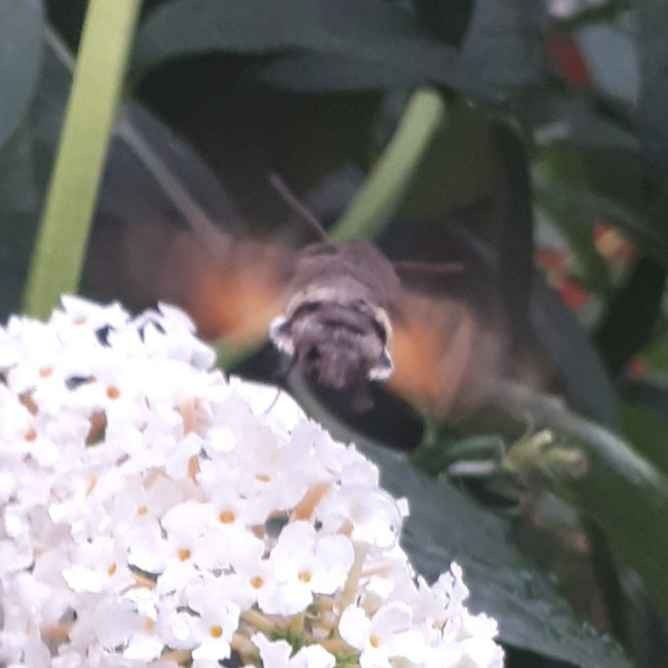
While at Greenstreete Guy was lucky to spot a gorgeous Hummingbird Hawk-moth feasting on the Buddleia near the flexible space.
This is what one looks like:

And this is more like what you usually see of it! (A blur – as they are very fast fliers.)